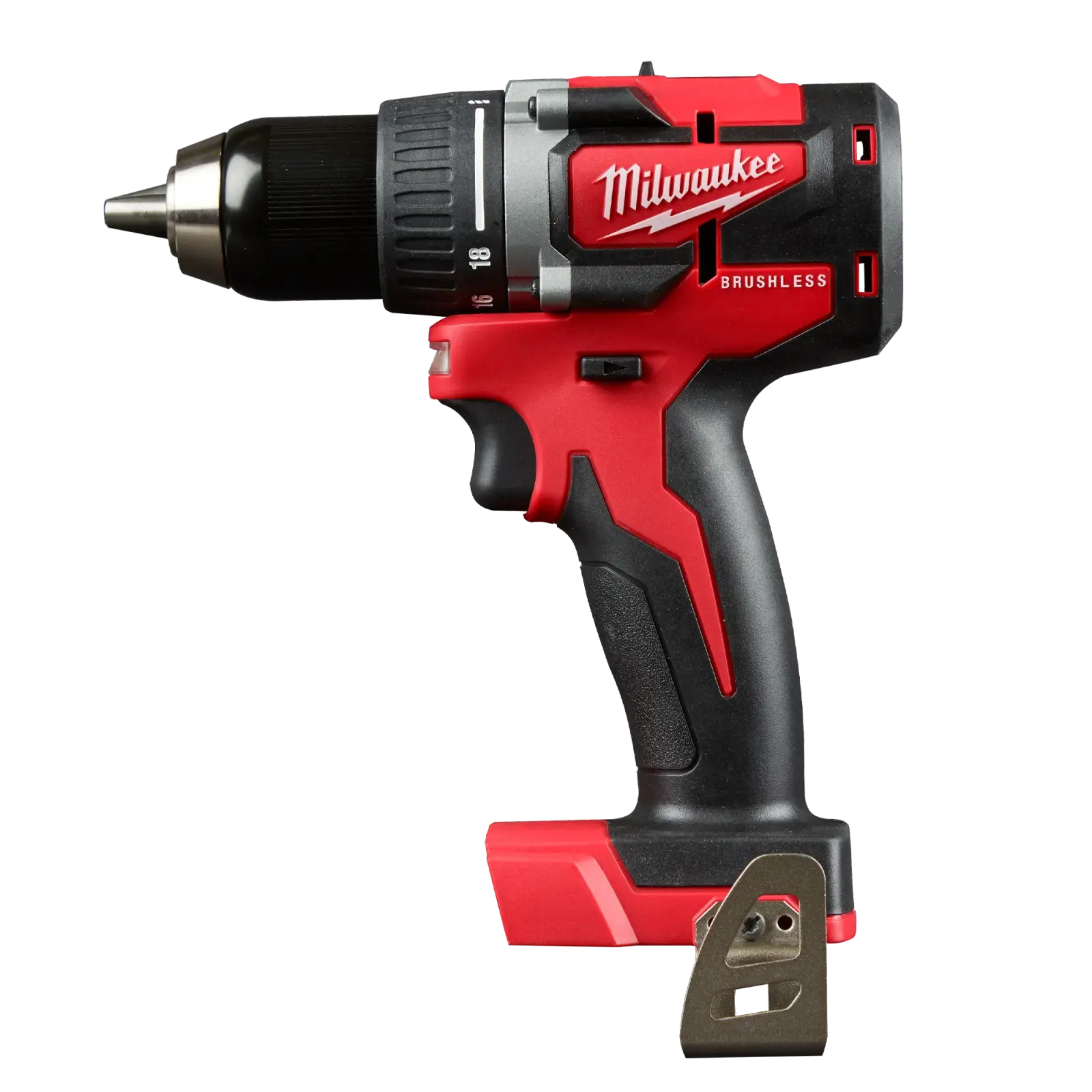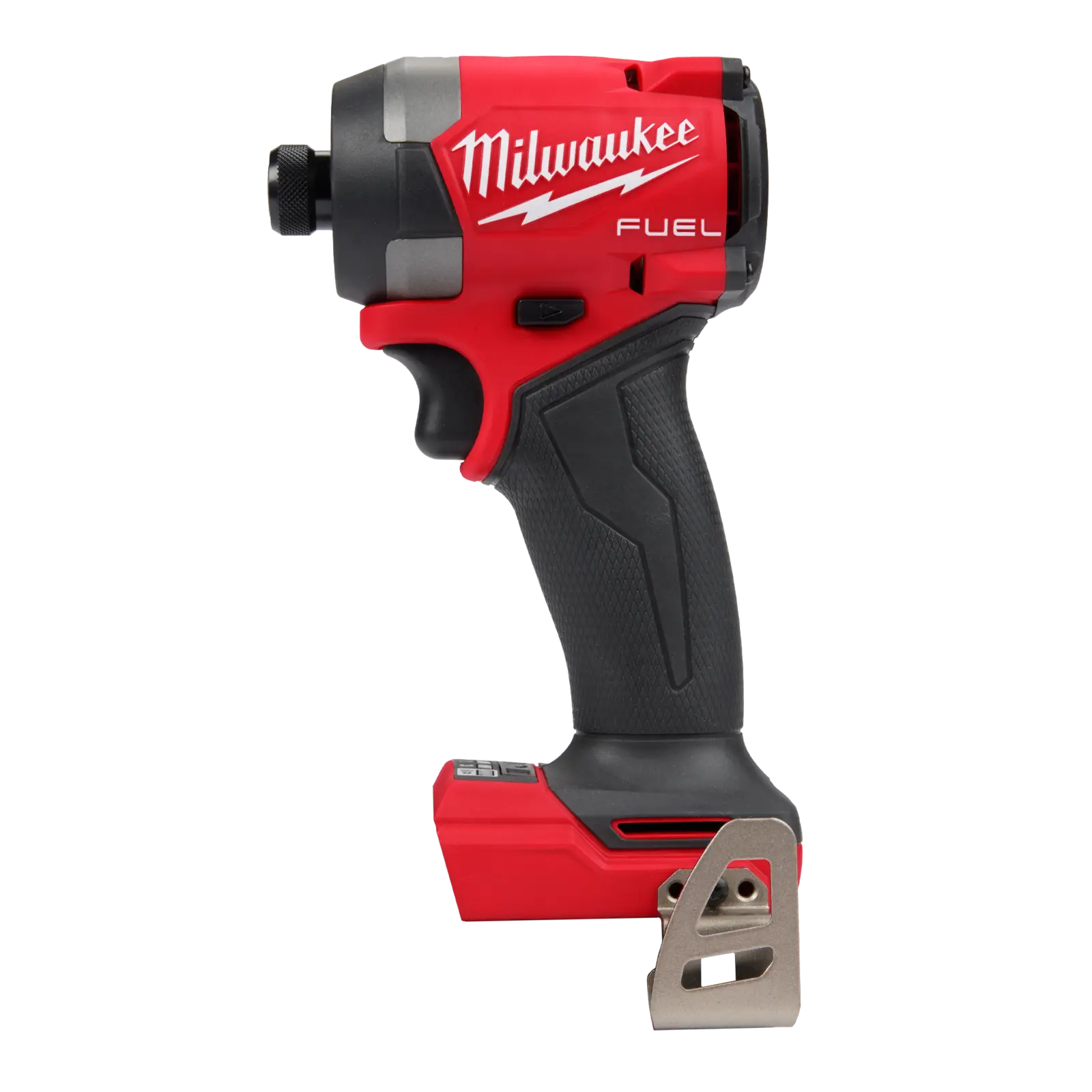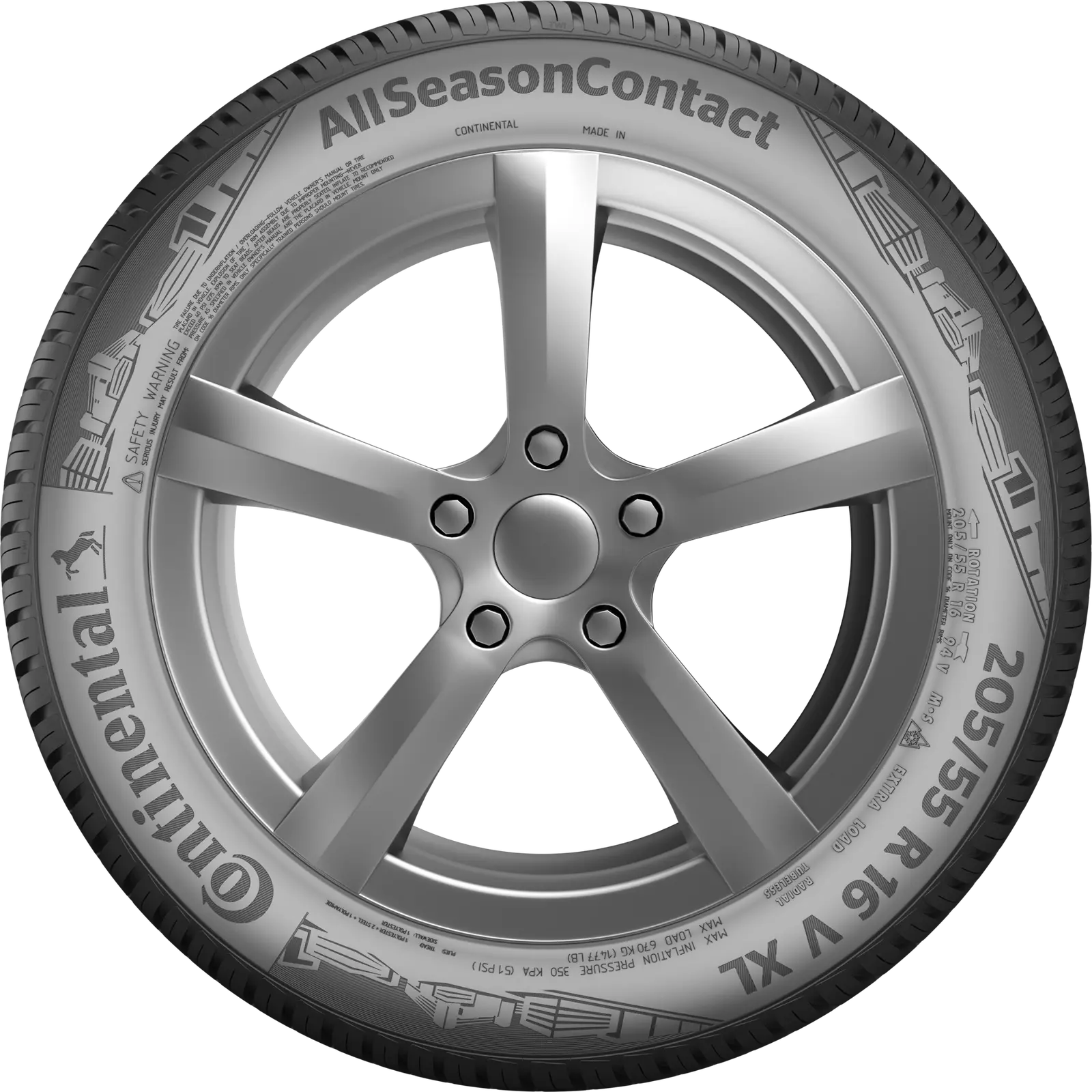
Every fall, Canadian drivers face the same chore: swapping to winter tires. Doing it at home takes a few tools and some patience, and it saves a shop appointment during the October and November rush. This guide compares five reliable sources, Canadian Tire’s how-to, Michelin Canada, Quebec’s SAAQ, the British Columbia government and the insurance site MyChoice, and ends with what the job means for different kinds of driver. Torque Digest has not tested any of the products named here.
When to switch
Michelin Canada says to switch when average daily temperatures fall below 7°C, often in October or November, and to return to summer or all season tires once spring temperatures stay above that level. It also says running two sets is more cost effective, because mileage is split and both sets last longer.
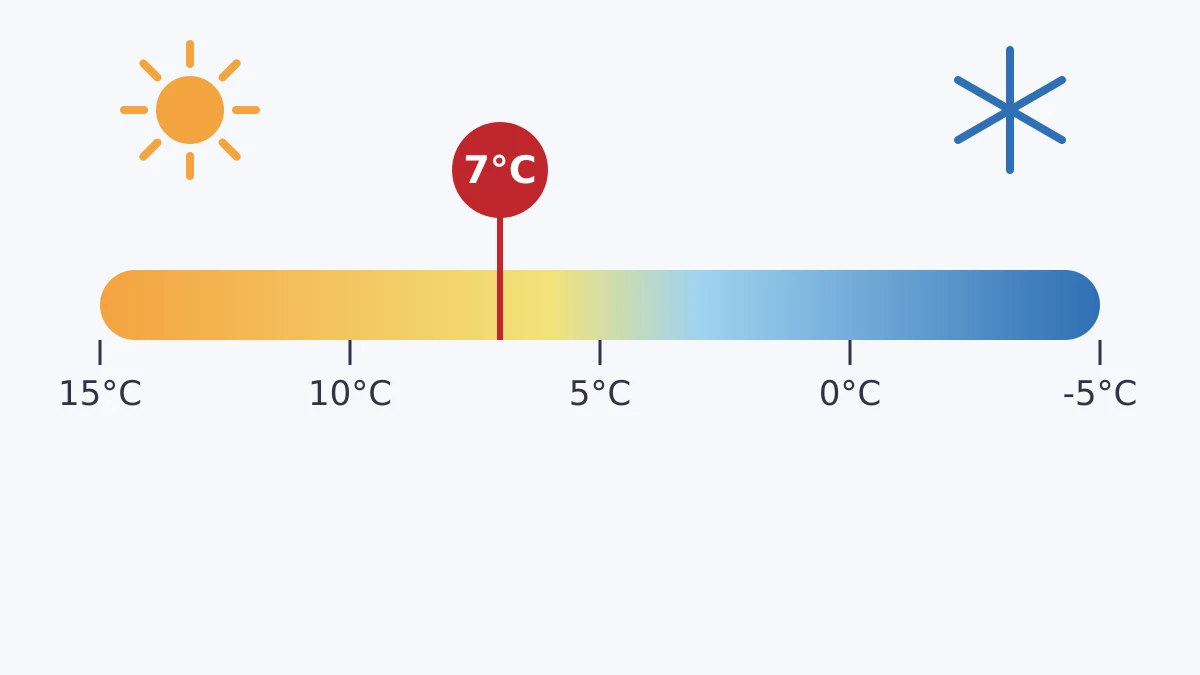
Switching point: average daily temperature of 7°C
Where the sources agree, and where they differ
All five point toward the three-peak mountain snowflake symbol. Michelin calls it the official winter standard, the SAAQ requires the mountain and snowflake pictogram, and MyChoice says Transport Canada recommends it. The sources differ on the M+S mark. British Columbia’s 2016 release accepts either the mountain snowflake or M+S, while Michelin says M+S markings on many all season tires are not a substitute for winter certification. The practical reading is that M+S may satisfy a BC route sign, but it is a weaker choice than a snowflake tire.
They also leave the same gap. Canadian Tire gives no torque number and sends readers to the owner’s manual, and TEKTON publishes only its wrench range. No source supplies a lug nut figure, so your manual is the single authority.
Rules and incentives by province
In Quebec, the SAAQ says winter tires are mandatory from December 1 to March 15, and they must carry the pictogram. Driving without them in that period carries a fine of $200 to $300, plus additional costs. Tread should be at least 4.8 mm when installed, and studded tires are allowed from October 15 to May 1.
In British Columbia, winter tires have been required on designated highways from October 1 to March 31, with signs marking the routes. The 2016 release sets at least 3.5 mm of tread and says the rules apply only on designated routes. Check DriveBC before you travel, because details may have changed.
In Ontario, MyChoice reports that insurers must offer a winter tire discount on private passenger insurance. The amount is set by each insurer, so ask which dates and proof apply, and keep your installation invoice. Install a full set of four.
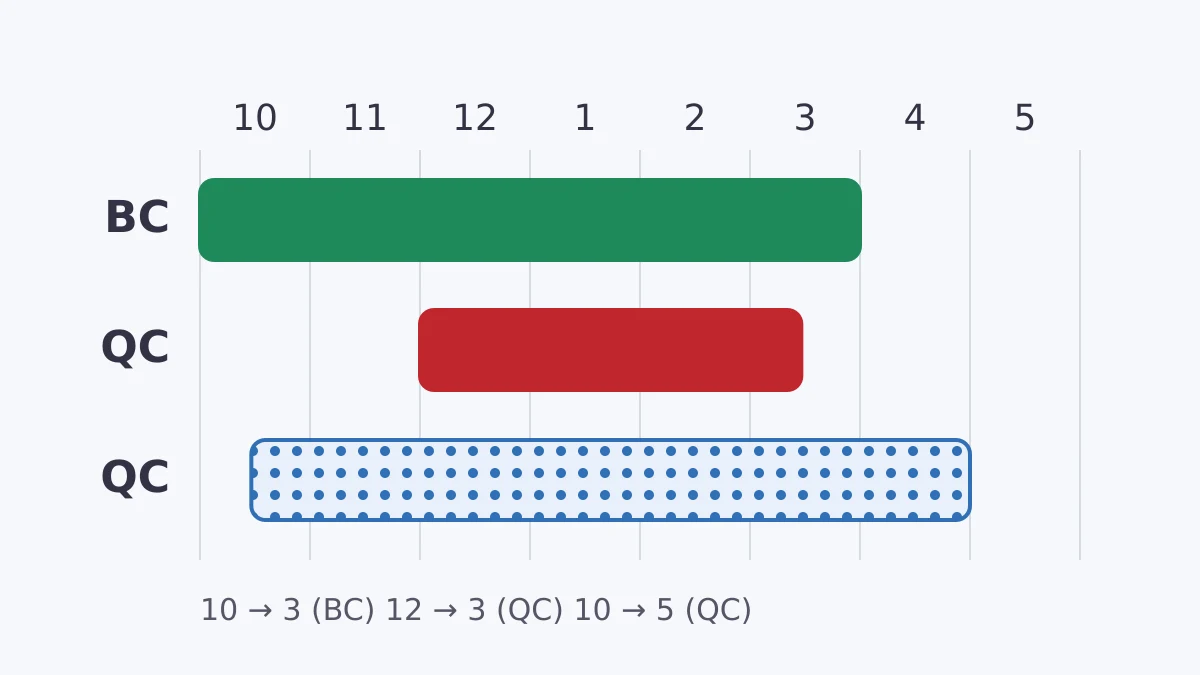
Winter tire dates by province (months): BC highways 10 to 3, Quebec 12 to 3, Quebec studded tires 10 to 5
The five tools
Canadian Tire lists wheel chocks, a jack, a torque wrench, a breaker bar and jack stands. A jack lifts the car but is not meant to hold it, so the guide has you lower the car onto stands before removing a wheel.
On jacks, a recent in store purchase at Costco Canada was reported to our newsroom at $149. We have not confirmed the model, and stock and prices vary by warehouse. Costco.ca lists the DeWALT 3 Ton Hydraulic Service Jack with a 3,000 kg (6,613 lb) capacity and a 2-year limited warranty, although in-warehouse stock showed as unavailable for the selected warehouse.
For tightening, TEKTON’s 1/2 inch drive torque wrench covers 10 to 150 ft-lb according to the maker, which advises storing it at its lowest setting to maintain calibration.
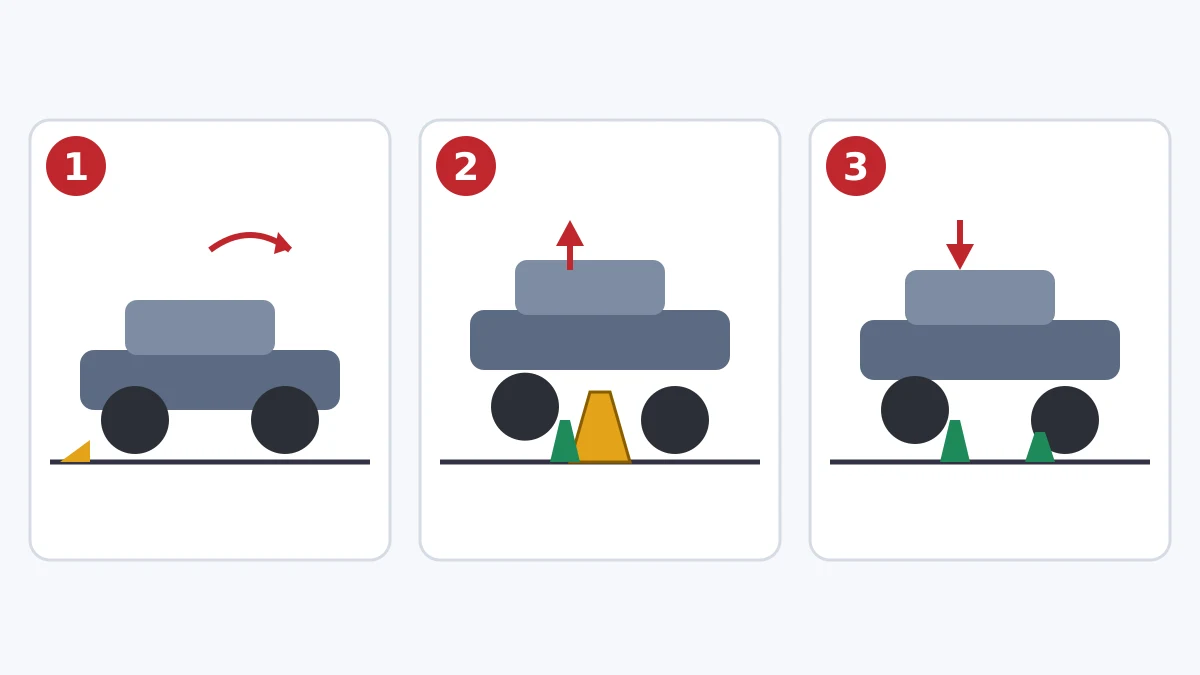
Safe lifting order: lift, set the stands, then lower the car onto them
The steps
- Park on level ground, switch off the ignition and set the parking brake.
- Put chocks around the tires you are not working on.
- Loosen the lug nuts with the breaker bar, without removing them.
- Place the jack at the correct jacking point. Canadian Tire warns that a misplaced jack could damage the vehicle or cause injury.
- Raise the car, set the jack stands and lower the car onto them.
- Remove the nuts and the wheel, then clean the two mating surfaces.
- Mount the winter wheel and thread the nuts on by hand.
- Lower the car and tighten the nuts in a star pattern to the figure in the owner’s manual.

Star pattern for tightening five lug nuts, in numbered order
Who it suits
First time DIYer. Strength: the job is eight short steps with a five item tool list. Needs: the owner’s manual for jacking points and torque, a level surface, and stands before any wheel comes off.
Experienced DIYer. Strength: if you already own a jack, only stands or a torque wrench may be missing. Needs: confirm the manual’s figure falls inside the 10 to 150 ft-lb range, and back the wrench down to its lowest setting after use.
Quebec driver. Strength: the rule is clear, with a fixed December 1 deadline and a pictogram to check. Needs: tires with the symbol, tread above 4.8 mm, and a swap done before the fine of $200 to $300 applies.
Ontario driver chasing a discount. Strength: insurers must offer one. Needs: four tires, the snowflake symbol, your invoice and your insurer’s dates, since the amount is not published.
British Columbia highway commuter. Strength: M+S is accepted on designated routes. Needs: at least 3.5 mm of tread, a check of DriveBC, and a thought about whether a snowflake tire gives more margin, as Michelin suggests.
Budget shopper. Strength: a $149 in store jack at Costco Canada was reported, and the DeWALT listing shows a 3,000 kg capacity. Needs: check stock locally, and budget for stands, since a jack alone is not enough.
Whatever your profile, the dependable core is the same: the symbol on the tire, a jack plus stands, a breaker bar, a torque wrench and the figure from your own manual.