Drill drivers and impact drivers look alike, run on the same batteries and often share a box in combo kits, but they work in very different ways. Here is what separates them, based on spec pages from DEWALT and Milwaukee and published testing from Pro Tool Reviews.
How each tool turns the bit
A drill driver uses its motor and gearbox to send steady, continuous torque to the chuck. When it hits its limit, it simply stops. Pro Tool Reviews points out that if a bit jams, the drill body can keep spinning and twist your wrist, which is why many high torque drills add kickback control.
An impact driver adds a hammer and anvil. Once a fastener resists, the hammer slips over the anvil and strikes it, adding short bursts of torque on top of the motor’s own output. Pro Tool Reviews says some models strike as many as 60 times per second. The price is noise and a buzz you feel in your hand.
What the spec sheets say
On paper, the impact drivers look much stronger:
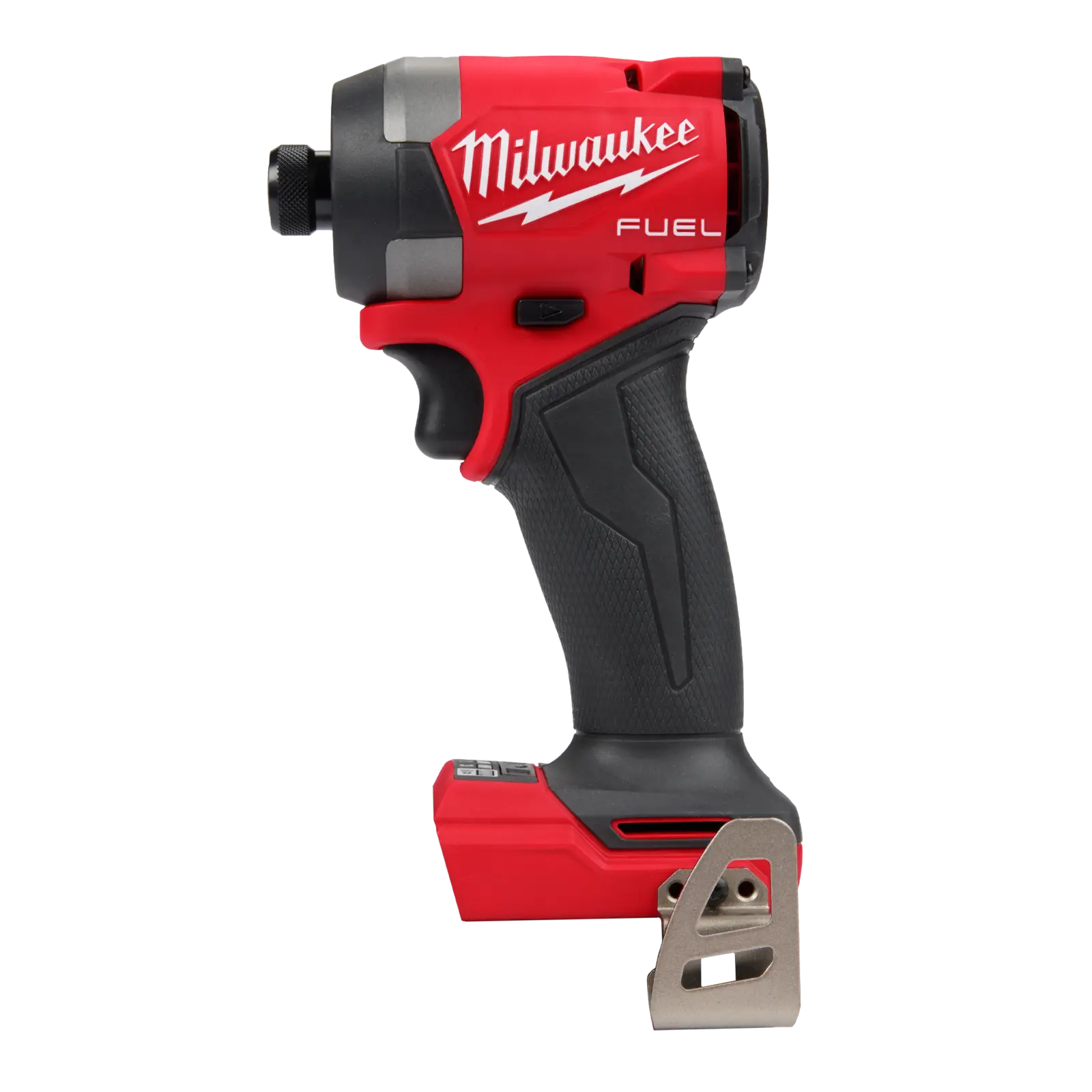
- Milwaukee M18 FUEL 1/4” Hex Impact Driver (2953-20): 2000 in-lbs of torque, 3900 RPM, 4-Mode Drive Control and a length of 4.47”, according to Milwaukee
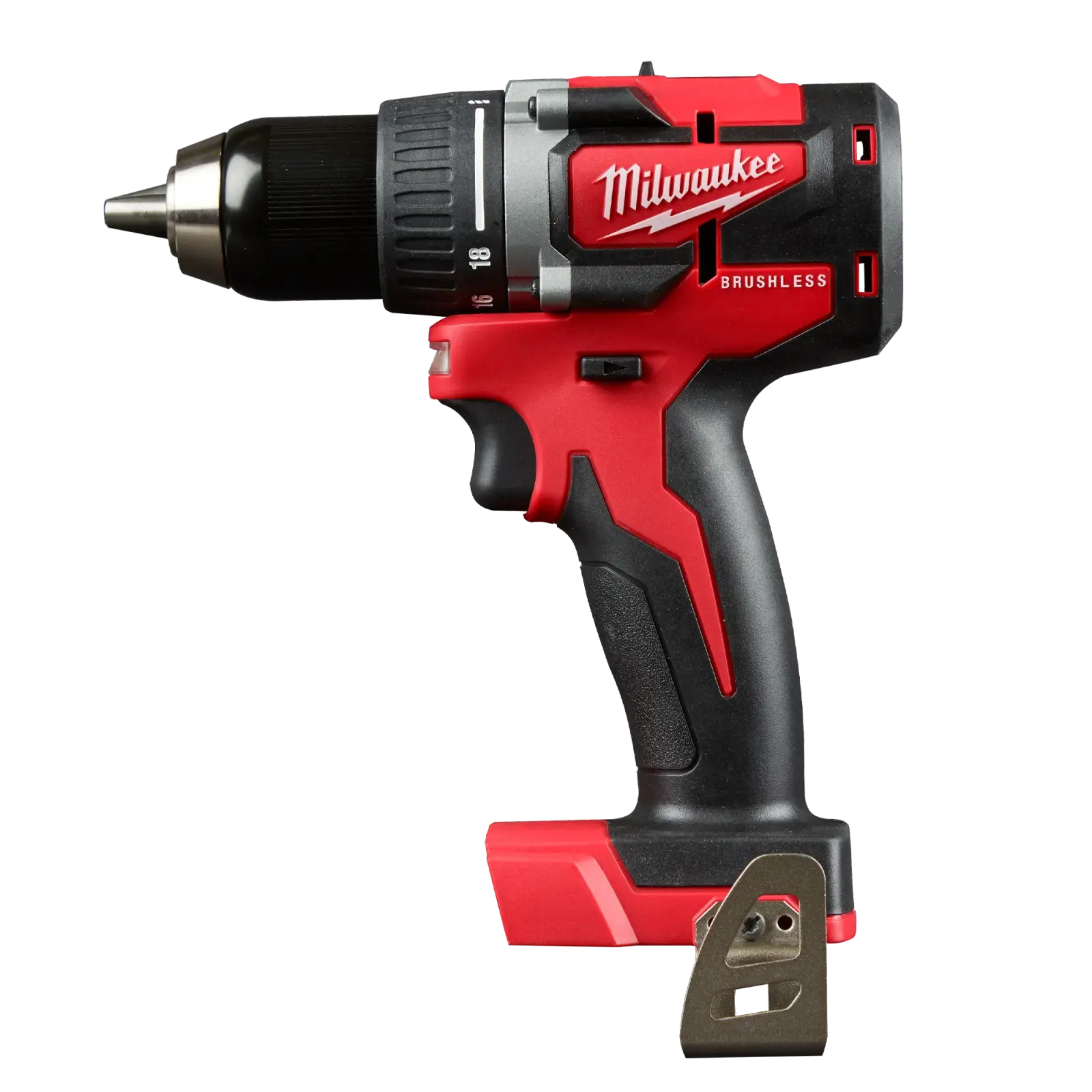
- Milwaukee M18 FUEL 1/2” Drill/Driver (2903-20): 1400 in-lbs of torque, an all metal chuck and a mechanical clutch in a 6.9” body, according to Milwaukee
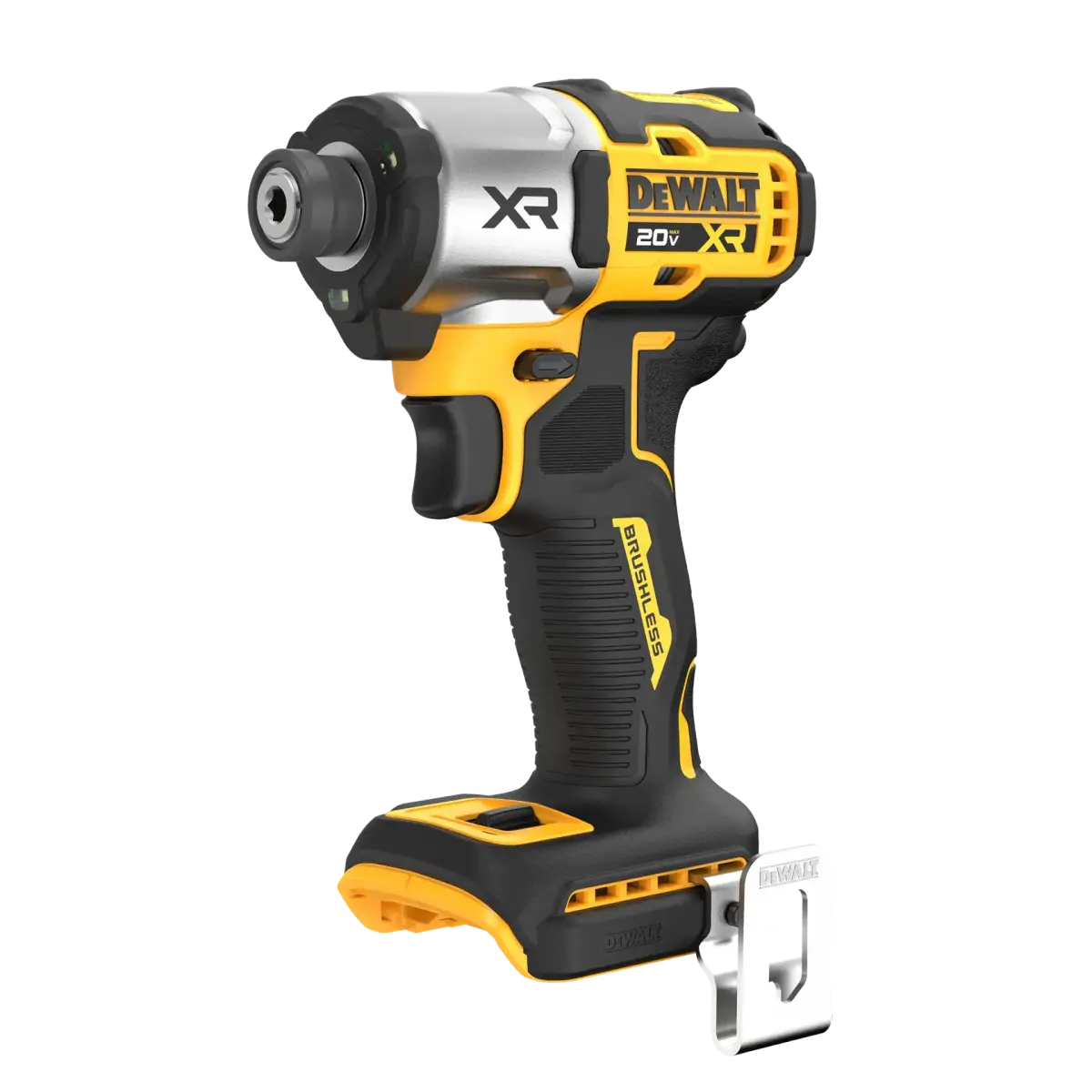
- DEWALT 20V MAX XR 3-Speed Impact Driver (DCF845B): a brushless motor rated at 1,825 in-lbs of max torque and 3400 RPM, according to DEWALT
- DEWALT 20V MAX XR 1/2-in Drill/Driver (DCD800B): brushless, two speed ranges of 0-650 and 0-2,000 rpm and 15 clutch settings, according to DEWALT
Torque ratings do not tell the whole story. Pro Tool Reviews says its testing has repeatedly shown the drill to be faster in most cases, because the pause between hammer strikes slows the impact driver down. The impact driver pulls ahead when long or large screws push a drill to its torque limit, and the outlet says it is very rare for an impact driver to drill holes faster than a drill.
Chucks, clutches and size
Impact drivers take only 1/4-inch hex shank bits in a quick release collet. Drills use a keyless chuck that grips both round and hex shanks. Compact drills often have a 3/8-inch chuck, while larger models use a 1/2-inch chuck that accepts bigger bits such as self feed bits.
A drill’s clutch slips at a set torque, so you can drive screws to the same depth without sinking or stripping them, which helps in hardwood and finish work. Impact drivers handle control differently. Milwaukee’s 2953-20, for example, has a Self-Tapping Screw Mode that Milwaukee says reduces walking and overdriving.
Size and weight favor the impact driver. In Pro Tool Reviews’ comparison of the Milwaukee pair, the impact driver measured 4.5 inches long and weighed 2.2 pounds bare, against 6.9 inches and 3.3 pounds for the drill.
Which one should you buy?
If you can only buy one tool, Pro Tool Reviews recommends a drill or hammer drill, because it covers the widest range of jobs: holes in wood, metal, tile and plastic, hole saws and spade bits, plus controlled screw driving.
Add an impact driver if you drive many long screws, lag bolts or structural screws, or often work in tight spots. The outlet notes that a combo kit with both tools usually costs less than buying the second tool later, and it lets you drill pilot holes with one and drive fasteners with the other without swapping bits. For concrete or brick, neither is the right tool: you need a hammer drill and masonry rated bits.
All four tools listed above are sold as bare tools, so you need a battery and charger from the same platform.